|
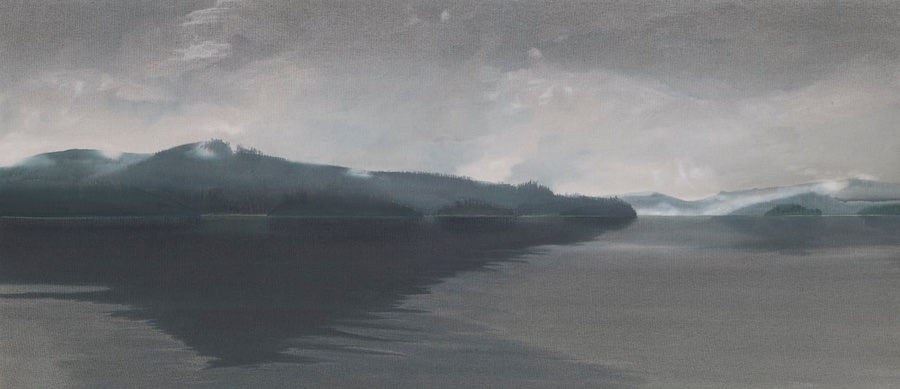
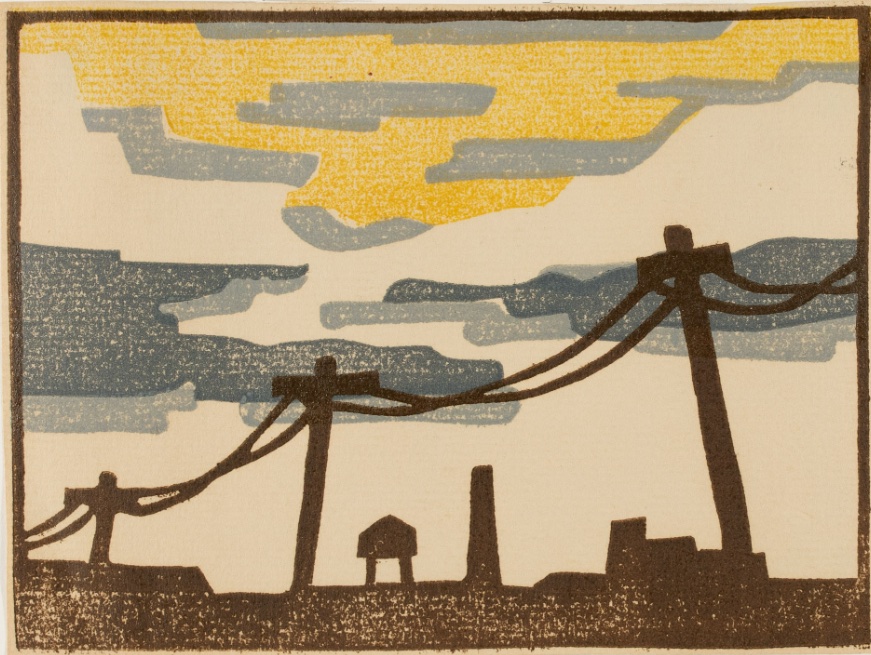
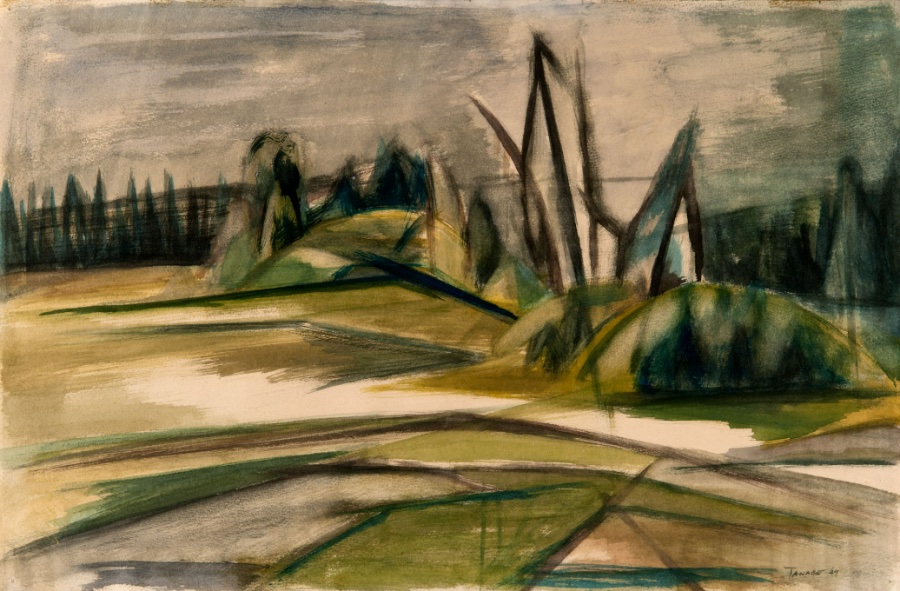
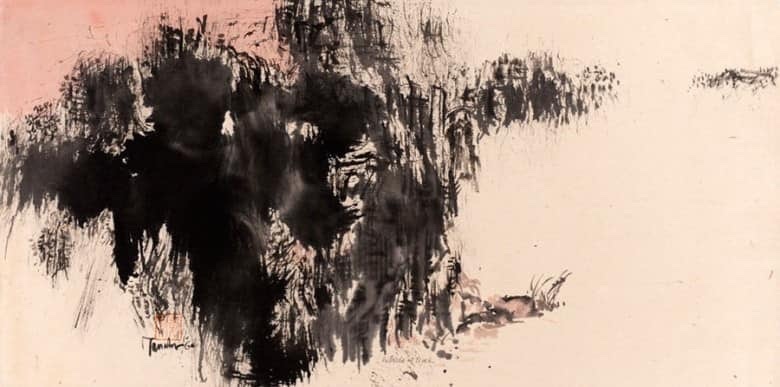
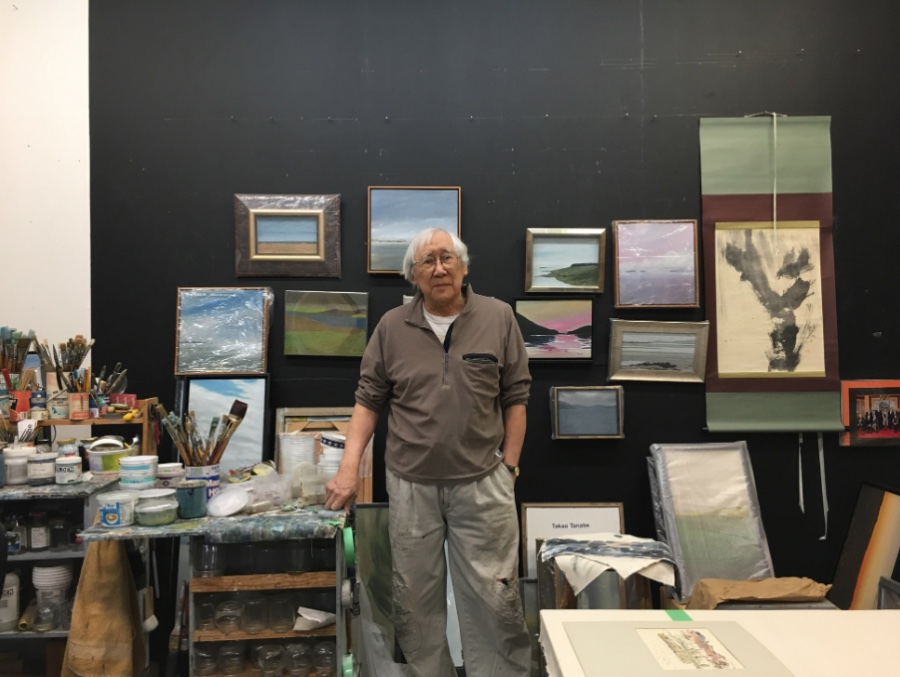
Where does art come from? Does it stem from lived experiences? Cultural background? Or maybe just what you see out your window? For Takao Tanabe, the answer seems to be all of the above.
And here’s another interesting question to ponder: How does someone go from being viewed as an enemy of the state to receiving some of the highest honors a country can bestow? Such is the fascinating life of this artist, and a recent retrospective celebrated not only his decades-long work, but his 100th birthday. |
In 1926, Takao Tanabe was born to Japanese immigrants in British Columbia, Canada. He was the fifth of seven children. They lived in Seal Cove, a small fishing village that was a mostly Japanese Canadian community, and Tanabe’s father ran a commercial fishing boat while his mother worked in a nearby cannery. The family moved to Vancouver in 1937, and it was four years later that their lives were dramatically changed. In December of 1941, 15-year-old Tanabe was in high school when Japan attacked Pearl Harbor. Even before America, Canada declared war on Japan. In B.C., Japanese Canadians immediately felt the impact. All of their fishing boats were seized, Japanese language newspapers and schools were shut down, and a strict curfew went into effect. In 1942, the government designated a stretch of land along the B.C. coast as a protected area, forcing out anyone of Japanese descent and taking their homes and businesses. Approximately 22,000 people were displaced during WWII, and the Tanabes were among them.
The family was sent to an internment camp in Lemon Creek, which is on the southeast side of the province. To add insult to injury, the prisoners had to build their own shacks. Tanabe helped his father put up and waterproof structures, and it was his job to apply tar to the roofs. Though there was a way out, the choices were bleak. One was to work on a farm as an indentured servant, which is what three of his siblings decided to do. Another option was to enlist in the military and fight for Canada, but Tanabe refused to do either.
|